



IDO
Indoleamine 2,3-dioxygenase 1 (IDO1) catalyzes the conversion of tryptophan into kynurenine, acting as a rate-limiting enzyme in the kynurenine pathway[1][2]. Mechanistically, IDO1 regulates immune responses by depleting tryptophan and promoting differentiation of regulatory T cells, thereby suppressing effector T cell proliferation[1][3]. In disease models, overexpression of IDO1 is observed in various tumors, contributing to immune evasion and correlating with poorer patient prognosis[4][5]. IDO1 activation can also engage the aryl hydrocarbon receptor (AhR), linking tryptophan metabolism to broader immunoregulatory networks[6][5]. Compared with related isoforms IDO2 and TDO2, IDO1 predominantly mediates local immunosuppression, whereas IDO2 is more involved in B cell-driven inflammation and TDO2 regulates systemic tryptophan homeostasis[2]. Structural analyses have facilitated the development of selective IDO1 inhibitors, including pseudo-natural product derivatives, which induce degradation or inhibition and demonstrate efficacy in preclinical tumor models[7]. Certain AhR agonists, such as carbidopa and SU5416, modulate IDO1 expression and downstream immune effects, indicating potential for combination therapies targeting both enzymatic activity and receptor-mediated pathways[4][8]. Overall, IDO1 serves as a central enzymatic hub linking tryptophan catabolism, immune regulation, and disease progression, with distinct isoform specificity and emerging opportunities for pharmacological intervention[2][7].
References:
- [1]. Moyer BJ, et al. Indoleamine 2,3-dioxygenase 1 (IDO1) inhibitors activate the aryl hydrocarbon receptor. Toxicol Appl Pharmacol. 2017 May 15;323:74-80. [Content Brief]
- [2]. Wang X, et al. IDO family: the metabolic crossroads connecting immunity, nerves and tumors. J Transl Med. 2026 Jan 29;24(1):289. [Content Brief]
- [3]. Yang P, et al. Indoleamine 2,3-Dioxygenase (IDO) Activity: A Perspective Biomarker for Laboratory Determination in Tumor Immunotherapy. Biomedicines. 2023 Jul 13;11(7):1988. [Content Brief]
- [4]. Mezrich JD, et al. SU5416, a VEGF receptor inhibitor and ligand of the AHR, represents a new alternative for immunomodulation. PLoS One. 2012;7(9):e44547. [Content Brief]
- [5]. Di Pucchio T, et al. Inhibitors of indoleamine 2,3-dioxygenase: a review of novel patented lead compounds. Expert Opin Ther Pat. 2010 Feb;20(2):229-50. [Content Brief]
- [6]. Korac K, et al. Carbidopa, an activator of aryl hydrocarbon receptor, suppresses IDO1 expression in pancreatic cancer and decreases tumor growth. Biochem J. 2022 Sep 16;479(17):1807-1824. [Content Brief]
- [7]. Bah M A, et al. 525 Investigating dynamic IDO-Kyn-AhR pathway-induced tumor immunosuppression using imaging modality to optimize AhR therapeutic intervention[J]. 2023.
- [8]. Cheng XF, et al. Design, Synthesis, and Structural Evolution of Pseudo-Natural Product IDO1 Inhibitors and Degraders. Angew Chem Int Ed Engl. 2026 Jan 16;65(3):e18753. [Content Brief]
All Product Categories
-
IDO Related Products (17)
Related Products (17)

- 1
-
Coptisine chloride
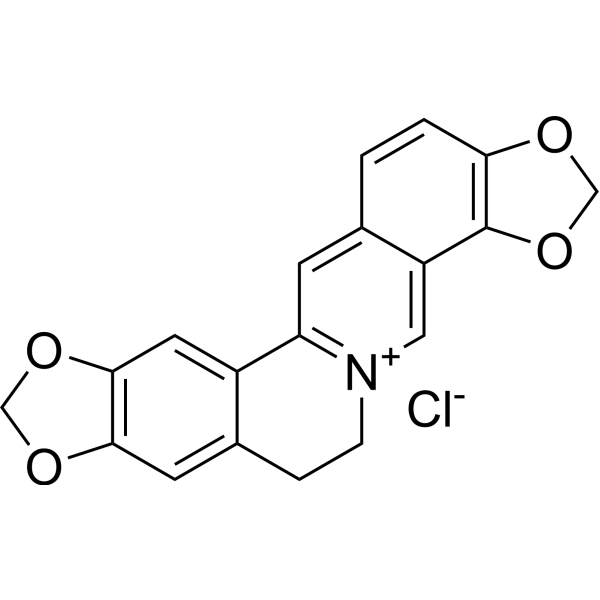 0 ImagesCoptisine chloride is an alkaloid from Chinese goldthread, and acts as an efficient uncompetitive IDO inhibitor with a Ki value of 5.8 μM and an IC50 value of 6.3 μM. Coptisine chloride is a potent H1N1 neuraminidase (NA-1) inhibitor with an IC50 of 104.6?μg/mL and can be used for influenza A (H1N1) infection.
-
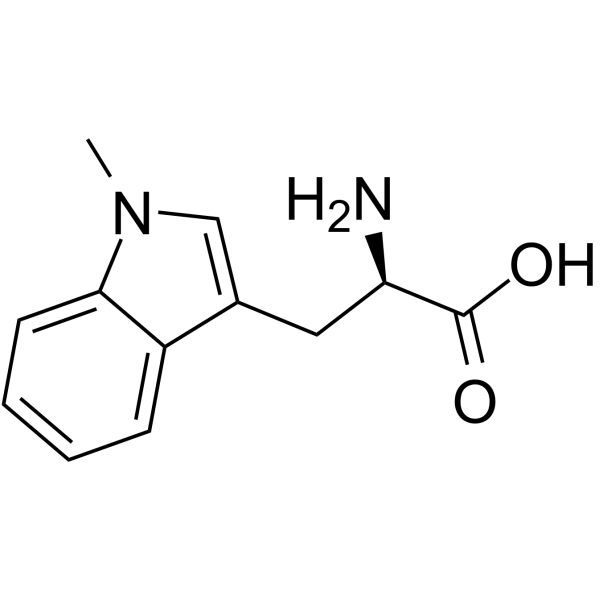
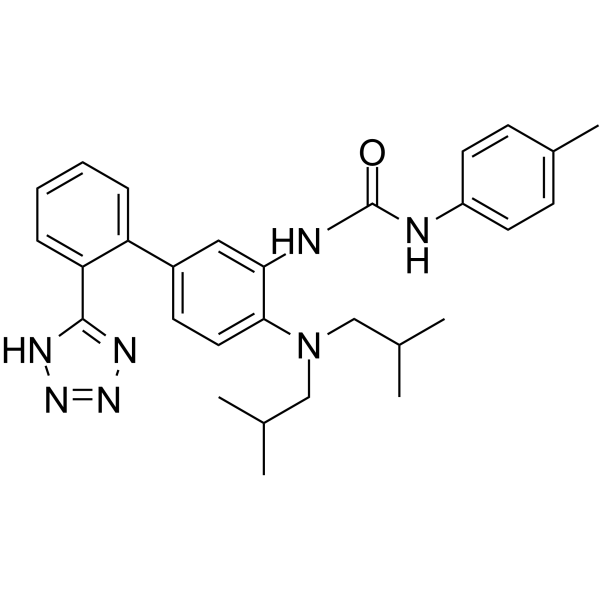
(Rac)-Indoximod
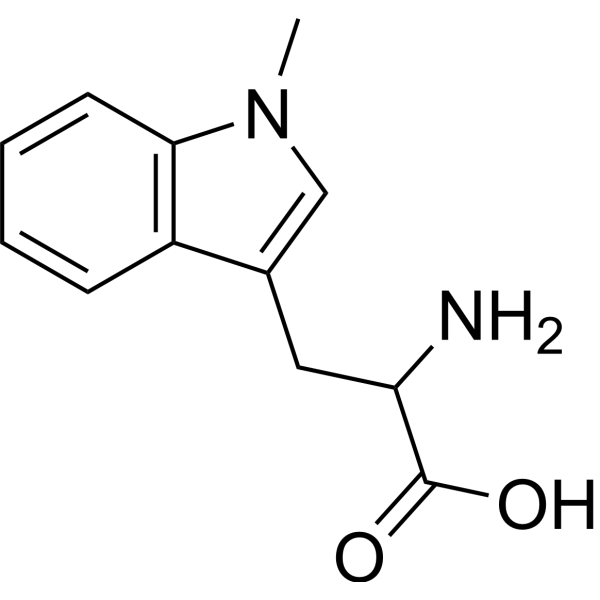 0 ImagesSynonyms: 1-Methyl-DL-tryptophan; (Rac)-NLG-8189(Rac)-Indoximod (1-Methyl-DL-tryptophan) is an indoleamine 2,3-dioxygenase (IDO) inhibitor. Co-treatment with IFN-γ and (Rac)-Indoximod markedly reduces the activity of human cardiac myofibroblasts (hCMs) expressing α-SMA and induces apoptosis through up-regulating the IRF-1, Fas, and FasL genes.
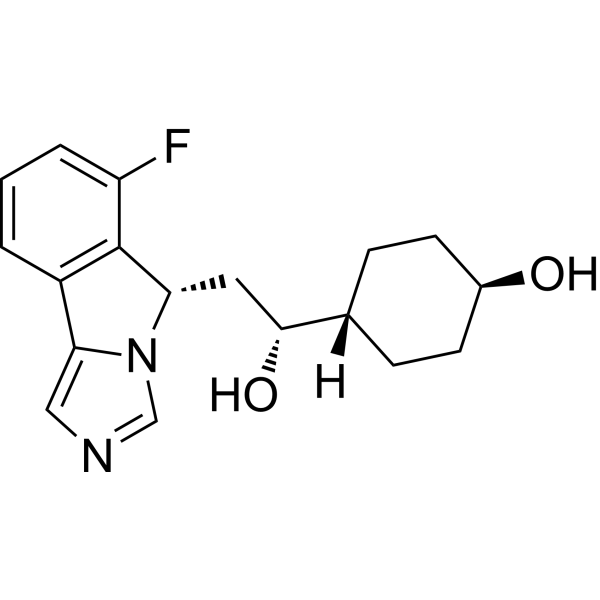
-
Brassinin
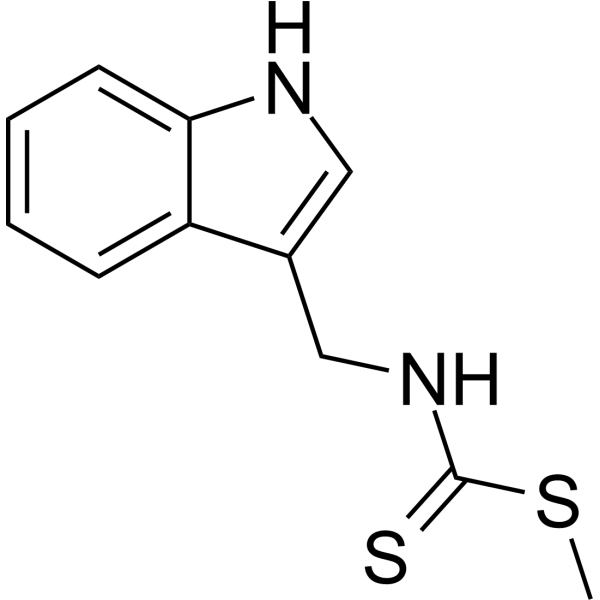 0 ImagesSynonyms: BrassinineBrassinin is an indole derivative found in cruciferous plants. Brassinin acts as an IDO inhibitor (Ki = 97.7 μM). Brassinin inhibits angiogenesis and induces apoptosis, autophagy, paraptosis, ROS production, and ER stress. Brassinin selectively stimulates lysosomal degradation of Tie2 and promotes lysosomal and proteasomal degradation of FGFR1 in endothelial cells, downregulating AKT and ERK phosphorylation. Brassinin inhibits endothelial cell proliferation, migration, tube formation, spheroid sprouting, and angiogenesis. Brassinin inhibits PI3K/Akt/mTOR/S6K1 signaling, upregulates p21 and p27, and induces G1 phase cell cycle arrest through RB hypophosphorylation. Brassinin inhibits tyrosinase catalytic activity, reduces tyrosinase mRNA, and inhibits MITF nuclear translocation. Brassinin is used for research on triple-negative breast cancer, chronic myeloid leukemia, colon cancer, glioma, atherosclerosis, and skin cancer.
-
IDO5L
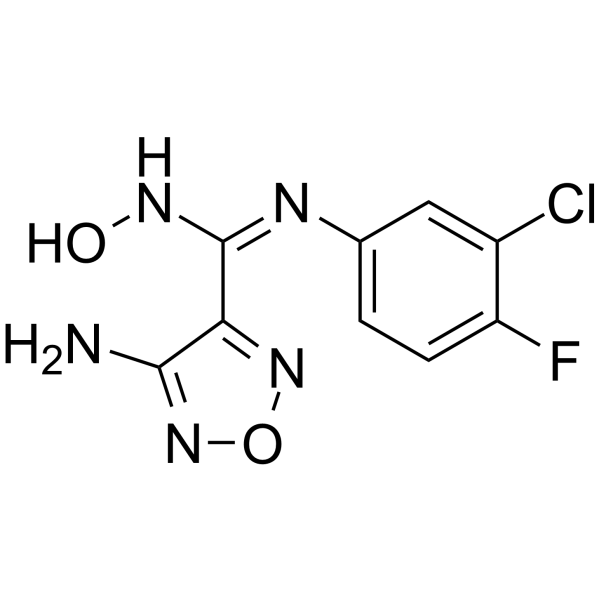 0 ImagesIDO5L is a potent indoleamine 2,3-dioxygenase (IDO) inhibitor with an IC50 of 67 nM.
-
IDO-IN-1
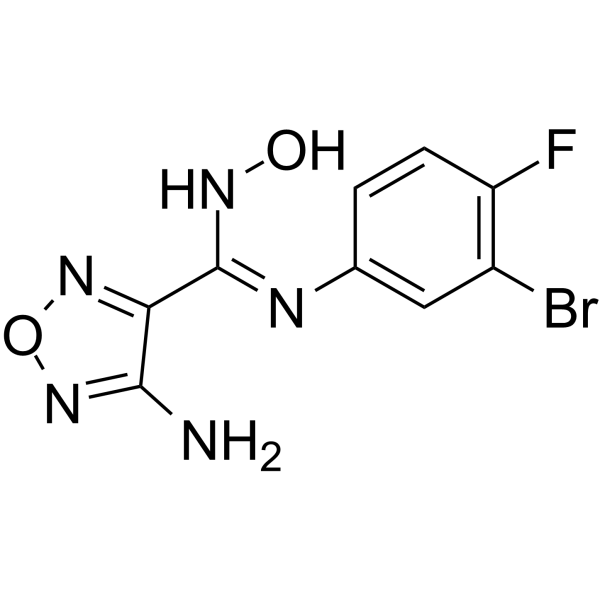 0 ImagesIDO-IN-1 is a potent indoleamine 2,3-dioxygenase (IDO) inhibitor with an IC50 of 59 nM.
-
IDO-IN-5
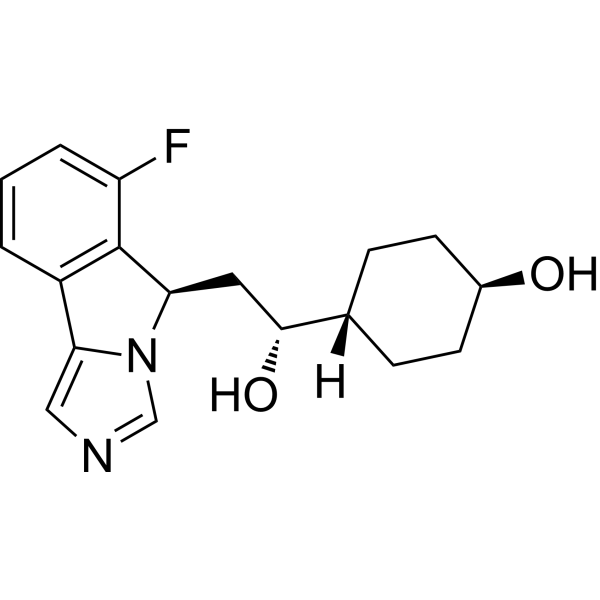 0 ImagesCat. No.: HY-18770CAS No.: 1402837-79-9Synonyms: NLG-1489IDO-IN-5 (NLG-1489) is an indoleamine 2,3-dioxygenase (IDO) inhibitor extracted from patent WO WO2012142237A1, compound 1489, has an IC50 of 1-10 μM.
-
IDO-IN-8
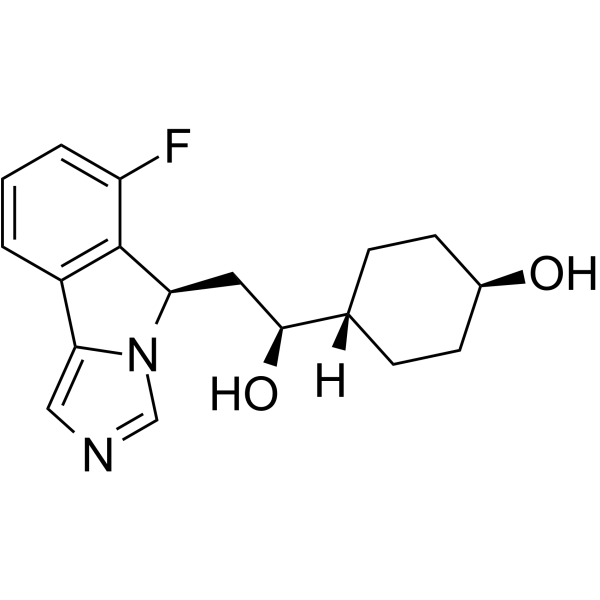 0 ImagesSynonyms: NLG-1487IDO-IN-8 (NLG-1487) is an indoleamine 2,3-dioxygenase (IDO) inhibitor extracted from patent WO WO2012142237A1, compound 1487, has an IC50 of 1-10 μM.
-
IDO-IN-3
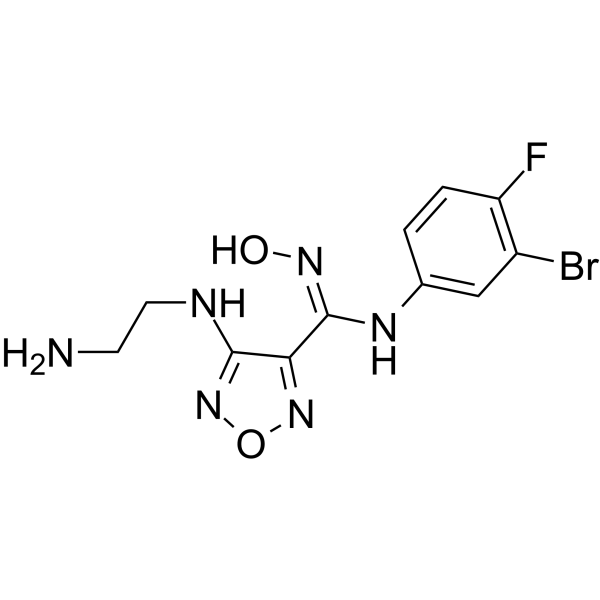 0 ImagesIDO-IN-3 is a potent indoleamine 2,3-dioxygenase (IDO) inhibitor with an IC50 of 290 nM.
-
Coptisine
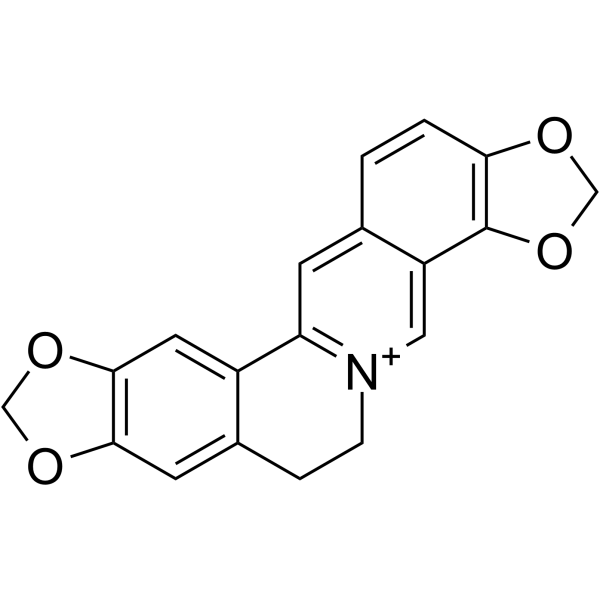 0 ImagesCoptisine is an orally active and brain-penetrant alkaloid found in Coptis chinensis. Coptisine is a reversible, uncompetitive IDO inhibitor with a Ki of 5.8 μM and an IC50 of 6.3 μM. Coptisine suppresses neuroinflammation, reduces Aβ plaque burden and shows neuroprotective activity. Coptisine shows anti-inflammation activity by blocking NF-κB, MAPK, and PI3K/Akt activation. Coptisine inhibits cancer cells proliferation, induces DNA damage, G2/M phase cell cycle arrest, apoptosis, ROS production and mitochondrial dysfunction. Coptisine inhibits Rho/ROCK pathway activation, reduces arrhythmia, limits cardiac injury marker release, reduces infarct size, and preserves cardiac function in rat myocardial ischemia/reperfusion models. Coptisine downregulates HMGCR and upregulates LDLR and CYP7A1 to modulate cholesterol metabolism, reduces abnormal serum lipid levels, and promotes fecal bile acid excretion. Coptisine can be used for the research of cancer, hypercholesterolemia, Alzheimer’s disease, inflammatory disorders and cardiovascular disease.
-
IDO-IN-6
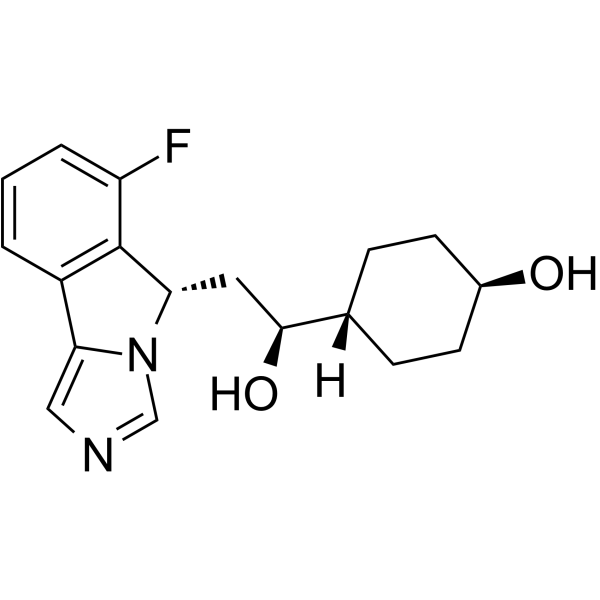 0 ImagesSynonyms: NLG-1486IDO-IN-6 (NLG-1486) is an indoleamine 2,3-dioxygenase (IDO) inhibitor extracted from patent WO WO2012142237A1, Compound 1486, has an IC50 of <1 μM.
-
IDO-IN-9
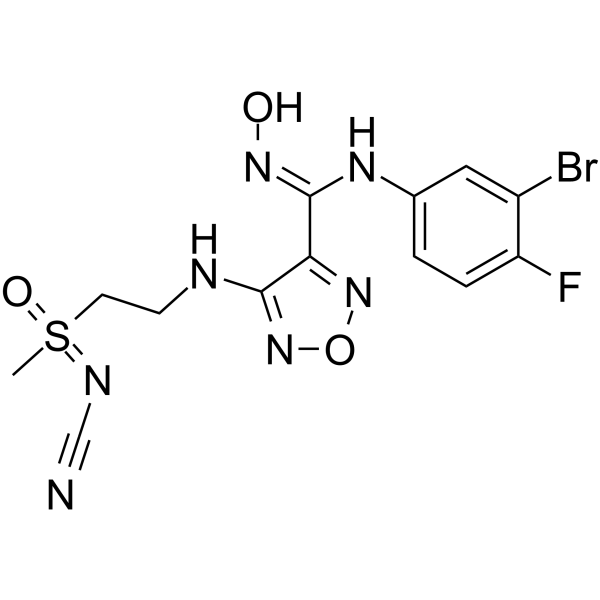 0 ImagesCat. No.: HY-110387CAS No.: 1888378-12-8IDO-IN-9 is an indoleamine-2,3-dioxygenase (IDO) inhibitor with IC50s of 0.011 μM (Kinase) and 0.0018 μM (Hela Cell), extracted from patent WO 2016041489 A1, compound 6.
-
IDO-IN-11
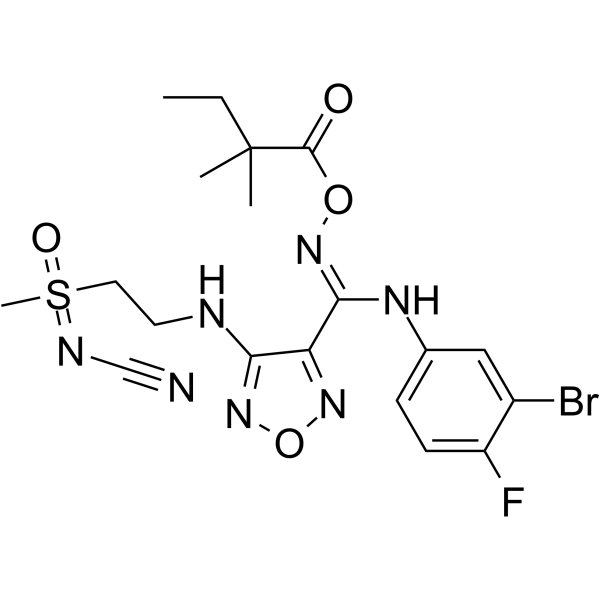 0 ImagesCat. No.: HY-111234CAS No.: 1888378-32-2IDO-IN-11 is an indoleamine-2,3-dioxygenase (IDO) inhibitor with IC50s of 0.18 μM (Kinase) and 0.014 μM (Hela Cell), extracted from patent WO 2016041489 A1, compound 13.
-
CAY10581
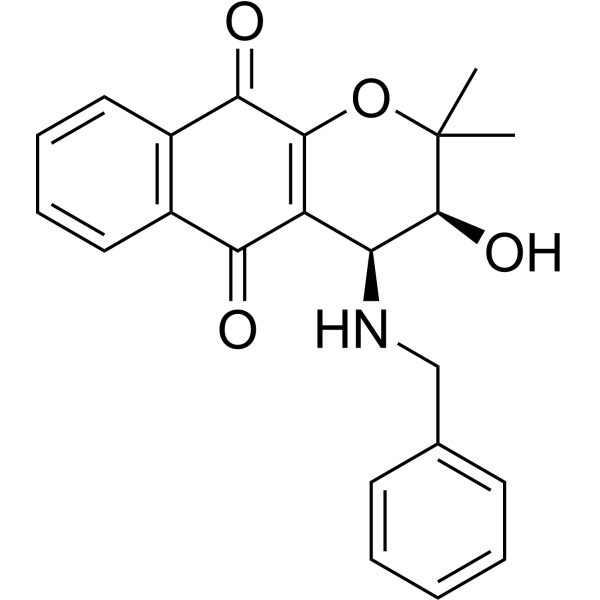 0 ImagesCat. No.: HY-113568CAS No.: 1018340-07-2CAY10581, a pyranonaphthoquinone derivative, is a highly specific and reversible uncompetitive IDO Inhibitor with an IC50 of 55 nM.

- 1



